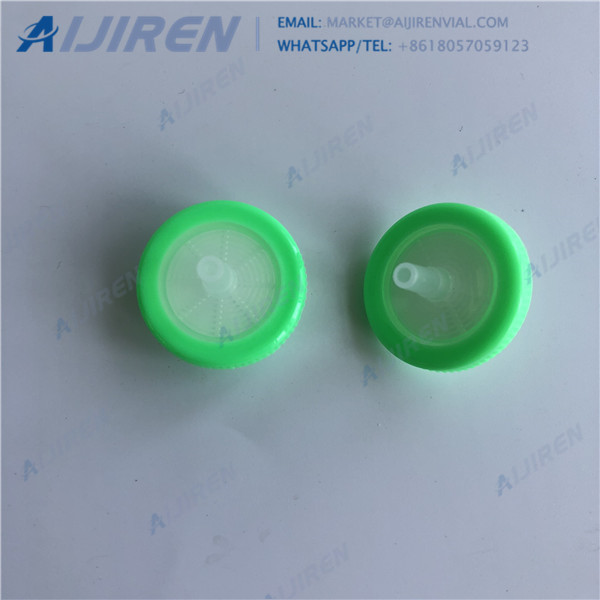
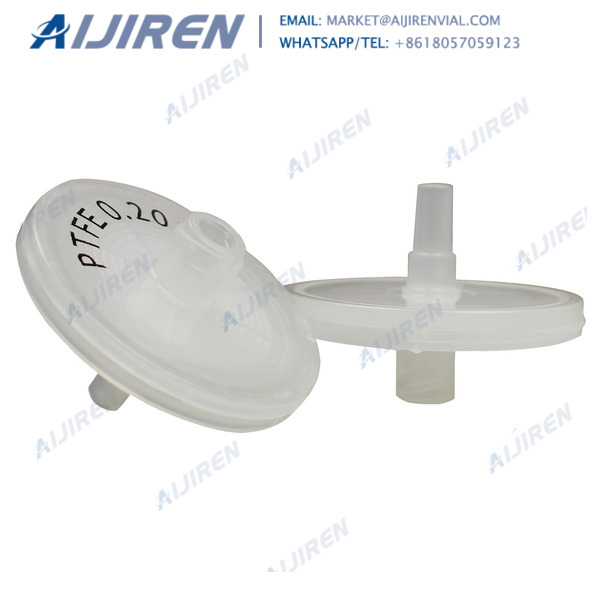
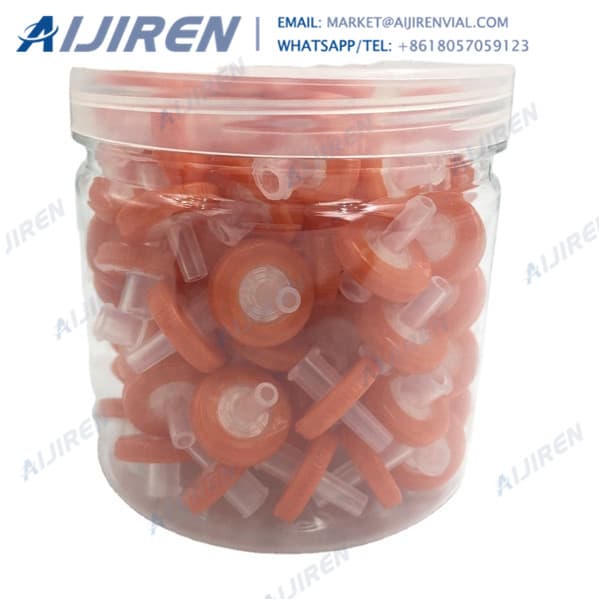
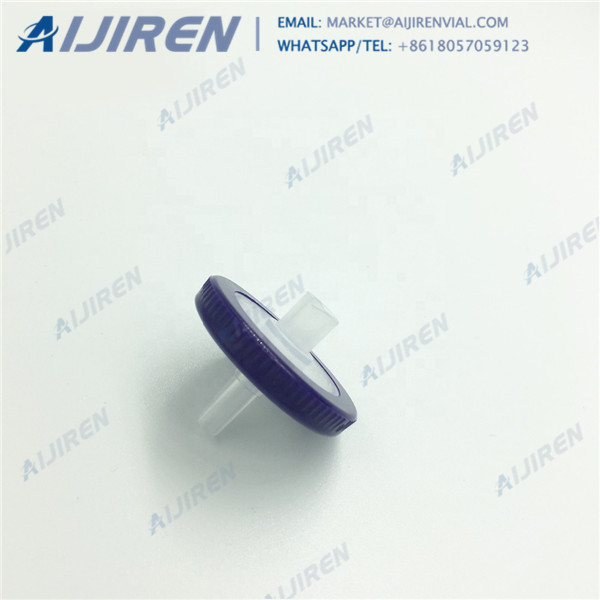
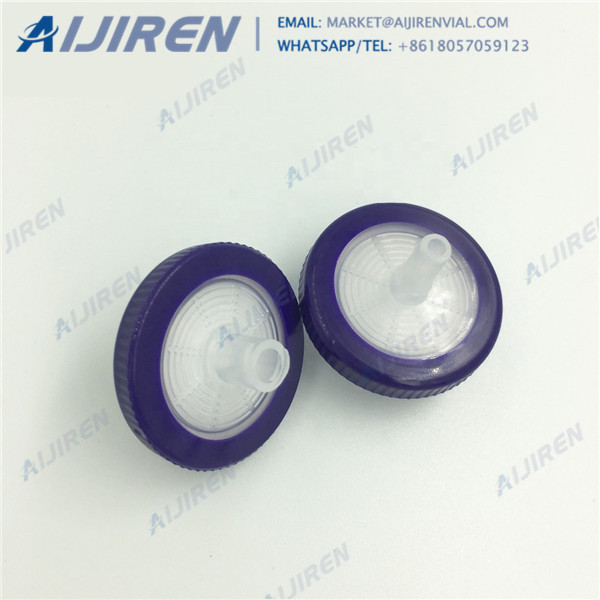
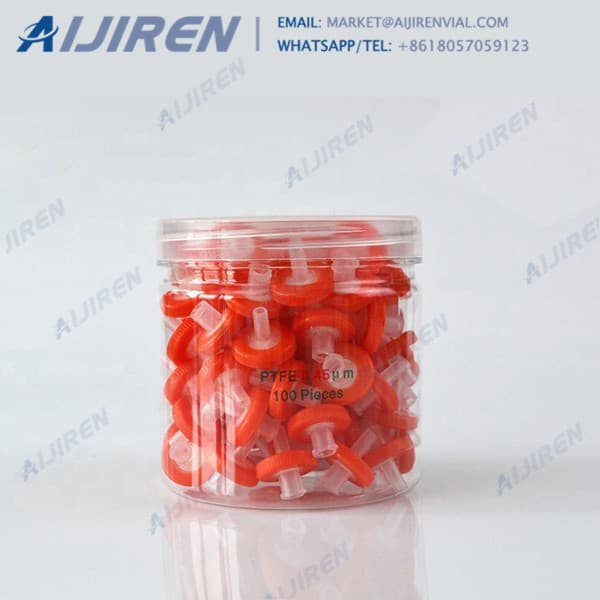
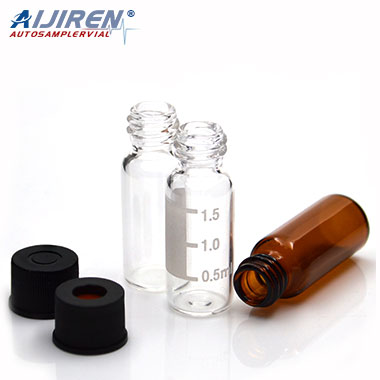
Filtering is a common technique used in various applications to remove unwanted particles and microorganisms from liquids. One commonly used filter is the 0.45 um filter, which is designed to remove particles and microorganisms of that size or larger. In this set of FAQs, we will answer some common questions about 0.45 um filters and their applications.
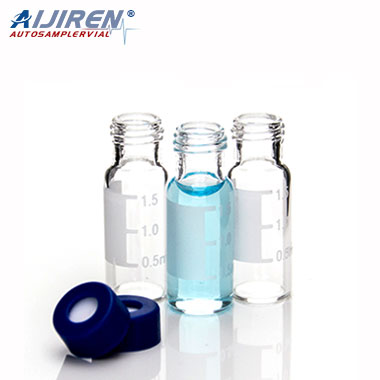
0.22 um syringe filters are commonly used in laboratories to remove particles and microorganisms from liquids, especially when sterility is a crucial factor. These filters have a pore size of 0.22 micrometers, which allows them to effectively remove contaminants from the liquid being filtered. In this set of FAQs, we will explore common questions about 0.22 um syringe filters to provide a better understanding of their usage, capabilities, and limitations.
Syringe filters with 0.22-micron pore size are commonly used for filtering small volumes of liquids in various laboratory applications. They are designed to remove particles, bacteria, and microorganisms from the liquid samples, making them suitable for HPLC, GC, and microbiology applications. In this set of FAQs, we have covered various aspects of syringe filter 0.22 micron, including their applications, pore size, maximum pressure and temperature, compatibility with solvents, and storage.